







Venezuela Declares State of Emergency Following Two Major Earthquakes
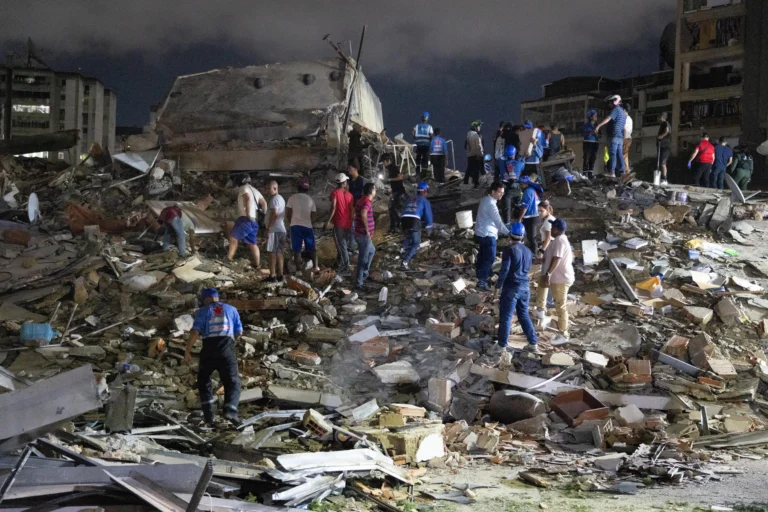
The Executive Power activated a contingency General Staff, suspended classes and closed the airport of Maiquetía after the strong tremors. Photo: EFE.
June 24, 2026 Hour: 10:07 pm
🔗 Comparte este artículo
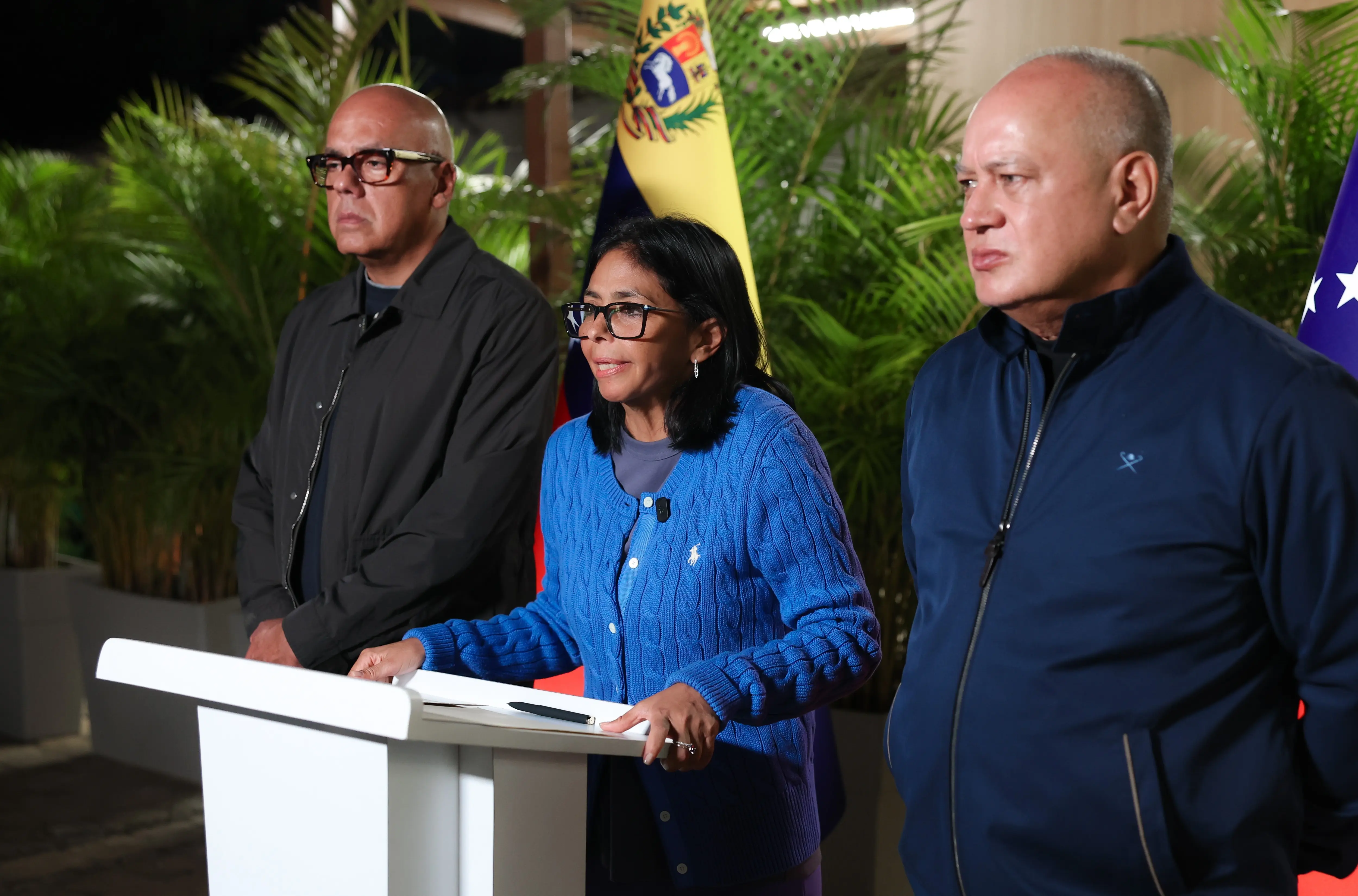
Acting President Delcy Rodriguez declared a state of emergency in Venezuela on June 24, suspending classes and non-essential activities after two devastating earthquakes of 7.1 and 7.5 magnitude struck the country.
Acting President Delcy Rodriguez announced these urgent decisions during a direct broadcast to the country, emphasizing that safeguarding human life remains the absolute priority of the Bolivarian State.
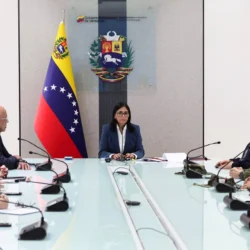
“We are at this moment declaring a state of emergency, as provided for by our Constitution”, Delcy Rodriguez stated in an address broadcast on the state-owned Venezuelan Television (VTV), accompanied by the President of the National Assembly, Jorge Rodriguez, and the Minister of Interior, Justice and Peace, Diosdado Cabello.
RELATED: Venezuela Activates Security Protocols Following 7.1 Magnitude Earthquake
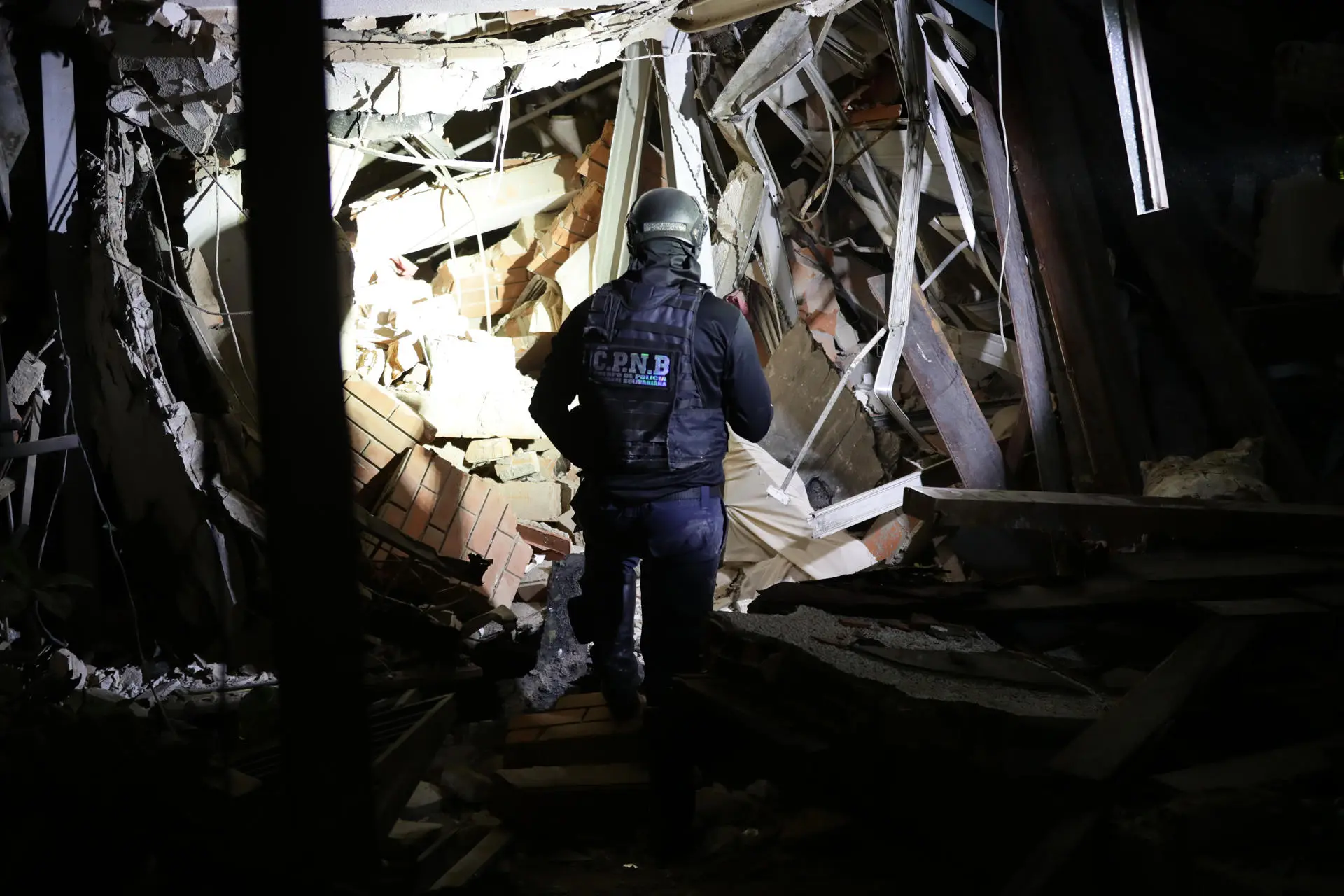
Following this, the Government of Venezuela quickly mobilized all security and risk management forces to protect the population and evaluate structural damages across the nation.
To guarantee public safety, the Executive Power decreed the immediate suspension of all educational classes and non-essential labor activities for the upcoming days. This strategic measure aims to reduce vehicular traffic on public roads, allowing specialized rescue teams to navigate urban centers and conduct safety inspections without interference.
Additionally, the administration ordered the temporary suspension of public transport systems, including the Caracas Metro and regional railway networks. State engineers must conduct thorough structural inspections of underground tunnels and elevated train tracks before these massive transport systems can safely resume operations for millions of daily passengers.
National protection agencies and civil defense volunteers have been deployed across northern Venezuela to establish immediate assistance points for communities. The Venezuelan Government urged citizens to maintain calm, avoid tall concrete structures, and remain in open public spaces to guard against the physical dangers of strong aftershocks.
Severe Infrastructure Damage
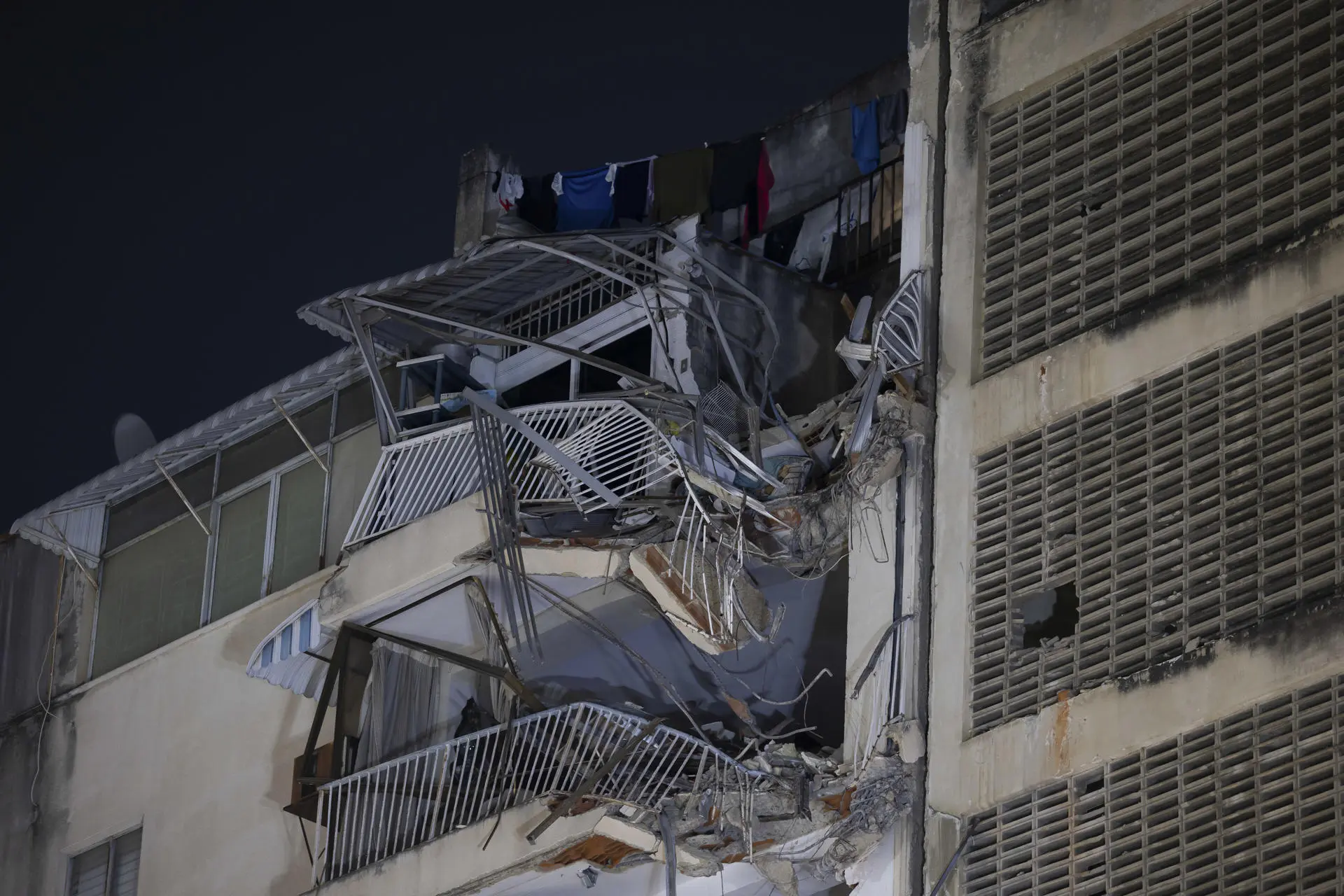
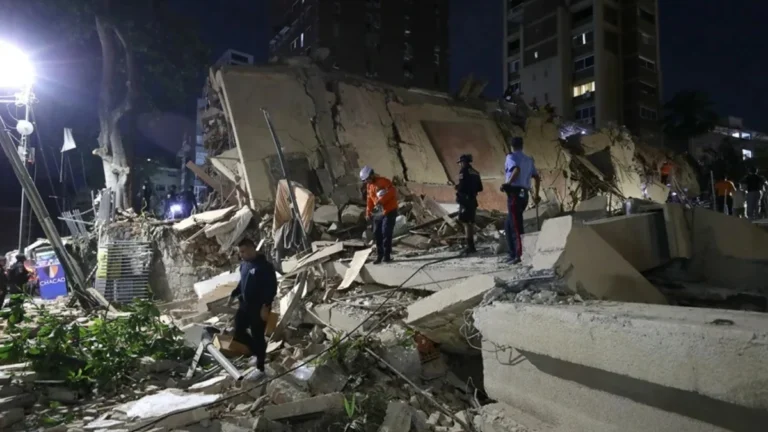
The physical impact of the two seismic events, measuring 7.1 and 7.5 magnitude respectively, caused significant damage to strategic transport infrastructure in the northern region. The Simon Bolivar International Airport in Maiquetia, which serves the capital city, registered major structural failures and remains completely closed to all operations.
Aerodrome authorities suspended all domestic and international flights, redirecting incoming commercial aircraft to alternative safe terminals in neighboring regions. Specialized engineering crews are already inspecting the runways, passenger boarding terminals, and the main control tower to plan immediate restoration works at this crucial transport hub.
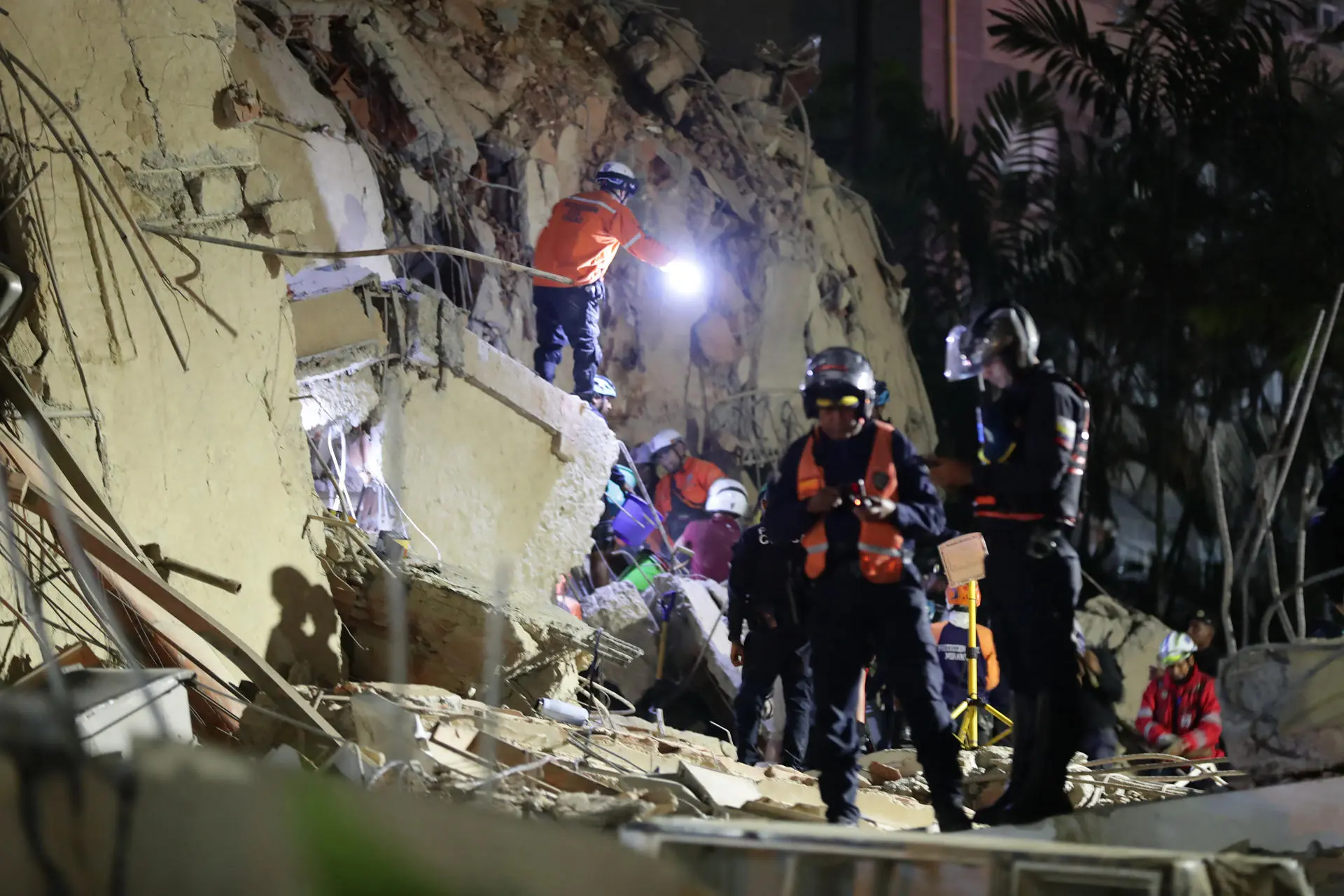
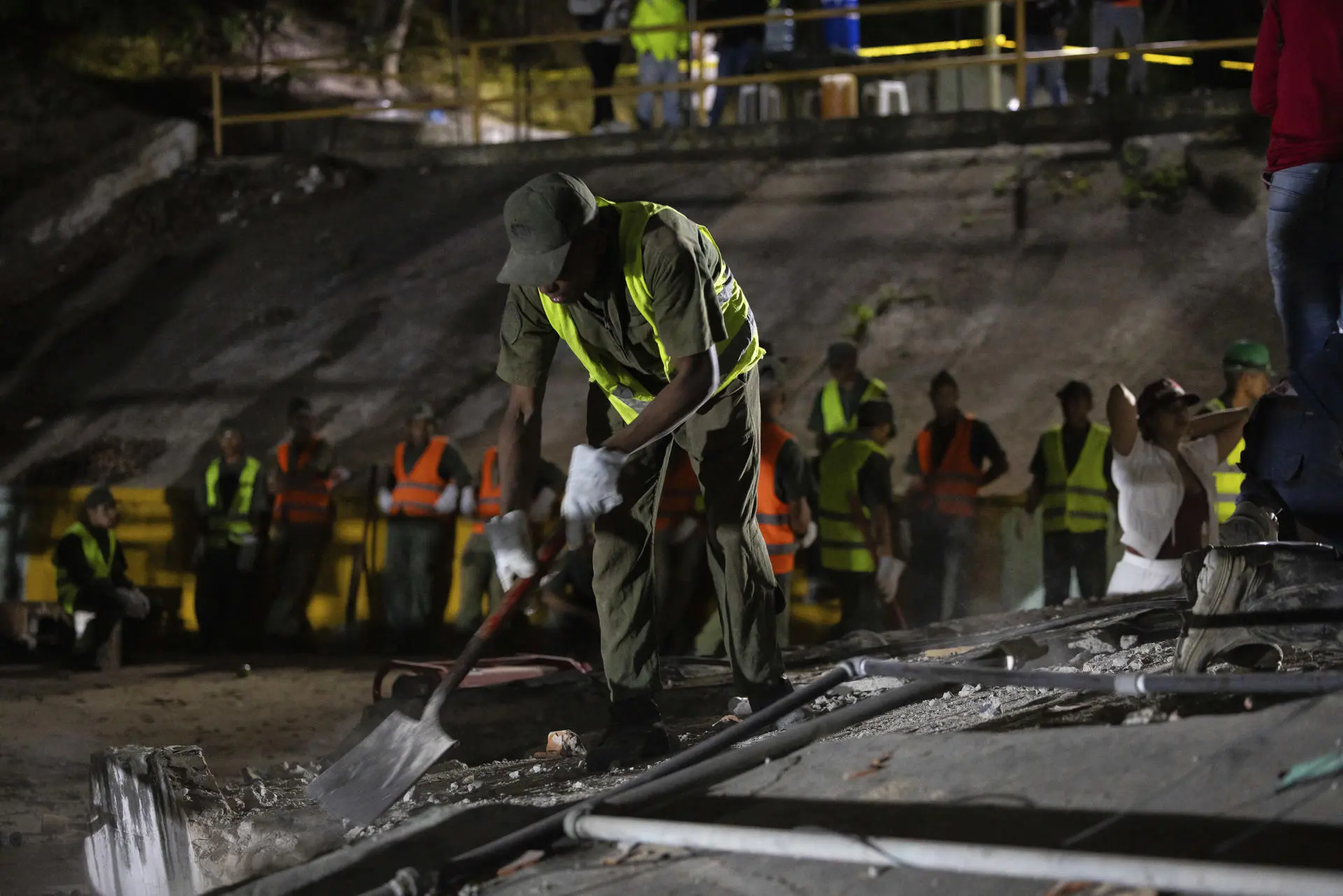
While the intense tremors shook almost the entire South American country, the most severe physical consequences occurred in Caracas and nearby coastal areas. Rescue units and military personnel are actively clearing debris from public avenues, restoring power lines, and monitoring residential sectors to ensure the safety of families.
The official report confirms failures in the electricity service of Caracas and La Guaira, while water supply and telecommunications networks maintain continuity generally.
The state has established unified command centers to distribute drinking water, medical supplies and temporary shelter to citizens whose homes suffered severe structural damage.
teleSUR continue to broadcast safety directives, confirming that civil authorities remain fully active to resolve this natural emergency with absolute institutional efficiency.
Author: Laura V. Mor
Source: Venezuelan Presidential Press